Phone: +86 18715387320
Email: Kayla@wkxmotor.eu

Coreless Brushless Motor-Technical Information
2025-09-28 21:34:15
256
WKX Motor Windings
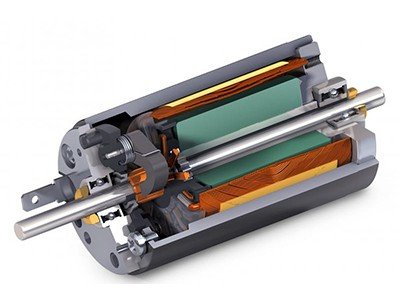
Initially invented by the R&D team of WKX MOTOR and patented in 2011, the core of each WKX DC motor lies in WKX MOTOR’s coreless diamond winding, K-shaped winding, and skewed rotor winding systems. This revolutionary technology has transformed the industry and created more possibilities for customers' DC motor application scenarios, as the DC motor features maximum power, optimal dynamic performance, and minimal size and weight. The difference between three-phase brushless motors and brushed DC motors is that brushed motors use windings as rotors and magnets as stators, while brushless motors are the exact opposite—with windings as slotless stators and magnets as rotors.
Brushless DC Motor Types
🔷 Whether it is a high-torque multi-pole servo motor or a compact slotless-effect motor, WKX MOTOR is committed to achieving the highest efficiency with the smallest outer diameter.
🔷 Thanks to its excellent internal design, WKX MOTOR’s brushless motors can be stably used in high-frequency operation, continuous work, and heavy-load servo applications requiring the longest service life.
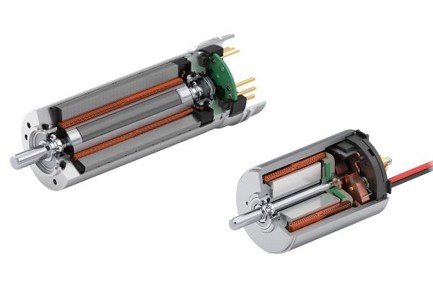
🔷 WKX MOTOR’s brushless DC motors are high-precision three-phase slotless motors with a wide range of speed and torque, making them perfectly suitable for speed control applications that demand stable and smooth constant-speed control, extremely high efficiency, and long continuous service life.
🔷 For high-frequency servo applications where customers require extremely high torque in a very small size, three-phase slotless motors are an ideal choice. The motor has a robust design with only a few components and no bonded assemblies, which means it delivers extremely high performance—making it highly suitable for harsh environments such as those with extreme temperature differences, as well as high impact and high vibration conditions under load.
🔷 WKX MOTOR also offers a variety of two-pole brushless motors with rotating cylindrical housings, which are sometimes referred to as coreless outer rotor motors. What makes WKX MOTOR’s coreless motors unique is the absence of an iron core and cogging effect, eliminating cogging torque. The high-inertia rotor enables this type of motor to be perfectly used in continuous operation applications that require high-precision speed regulation. These motors can also be equipped with speed control drivers of the same diameter, allowing for different speed control curves.
Sensors
🔷 WKX MOTOR’s 2-pole or 4-pole DC servo brushless DC micro-motors are optionally equipped with 3 digital Hall sensors with a 120° phase shift, and most of WKX MOTOR’s brushless DC servo motors are equipped with analog (linear) Hall sensors.
🔷 These sensors can replace the need for high-resolution encoders in many applications and, when combined with WKX MOTOR’s motion controllers, provide basic commutation signals for brushless DC servo motors. In some cases, for example, the sensors are replaced by a commutation PCB that provides Hall signals but can also provide sinusoidal commutation signals in certain scenarios.
Magnets
🔷 WKX MOTOR’s brushless DC servo motors are equipped with a variety of magnet types, which are matched to specific performance requirements based on the customer’s motor application environment and conditions. These magnet materials include high-performance rare-earth types such as samarium-cobalt magnets and neodymium-iron-boron permanent magnets.
Service Life
🔷 Brushless motors use electronic commutation instead of the mechanical commutation used in brushed motors. Since there is no wear from mechanical commutation, the service life of brushless DC servo motors is mainly determined by the life performance of the motor bearings. WKX MOTOR uses high-precision preloaded ceramic and ball bearings in all its brushless DC servo motors with a diameter of 6 mm or more.
🔷 Factors affecting the service life of motor bearings include dynamic and static axial/radial loads, ambient temperature conditions, wear from motor speed, impact and vibration loads, and the coupling accuracy of the given application.
🔷 When operated within the rated range for which the motor is designed, the service life of a brushless DC servo motor is many times longer than that of a mechanically commutated (brushed) DC motor.

Hot Product
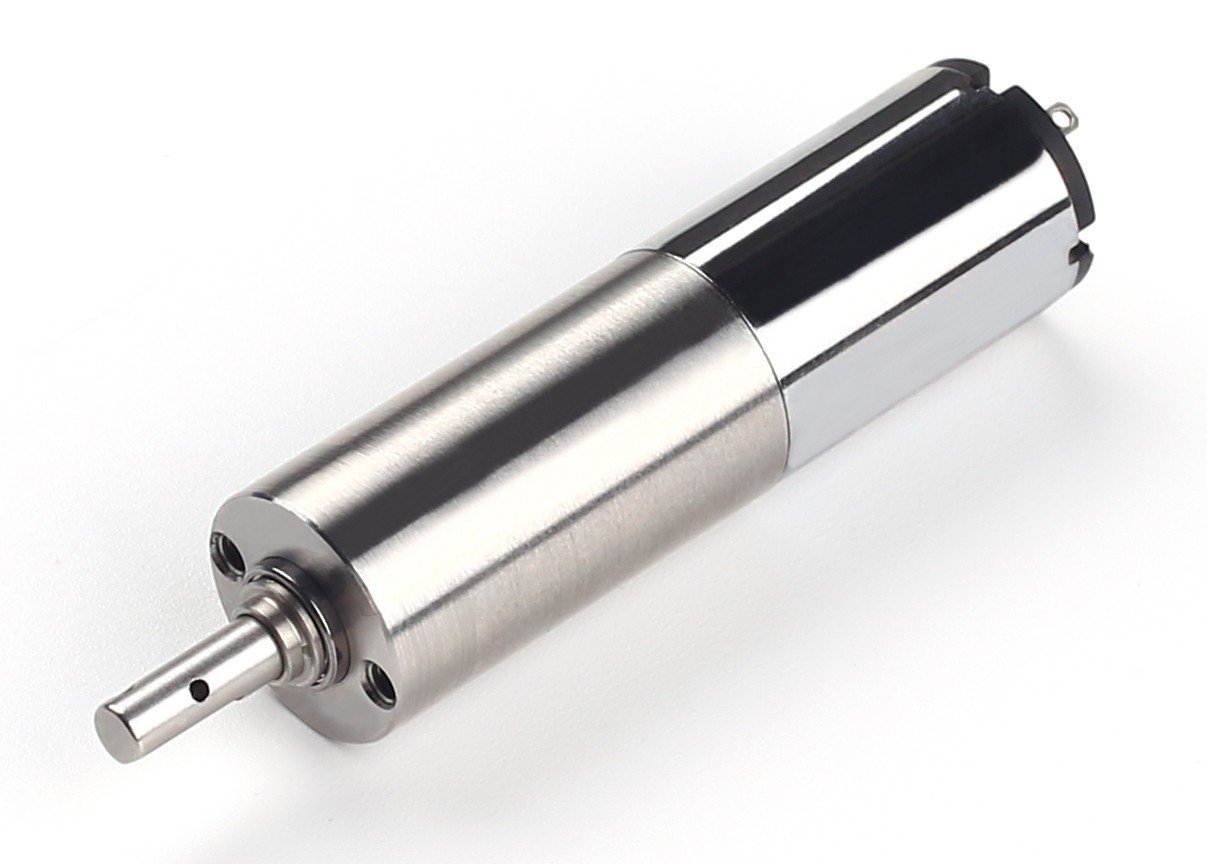
Coreless DC Motors
Series WKRE1220S-0582G256
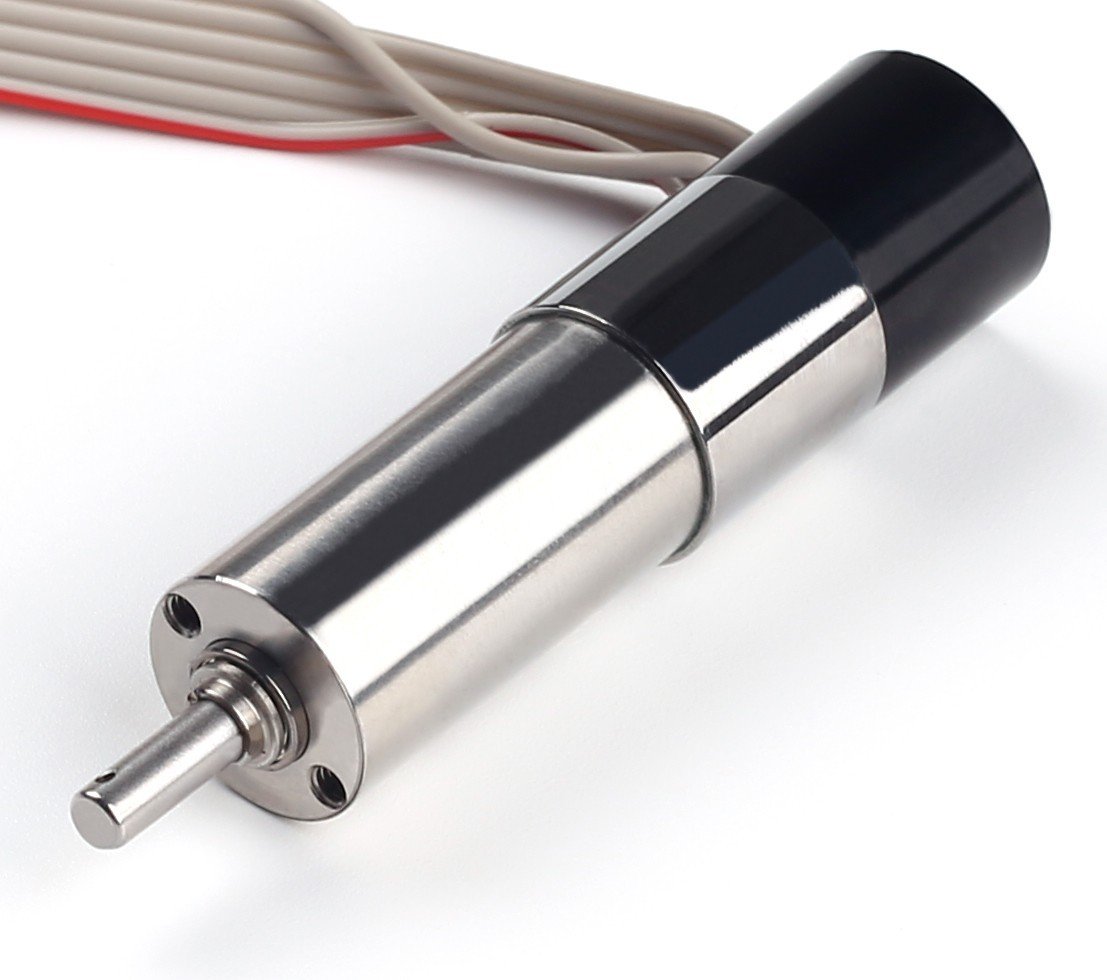
Encoder
Series E13A
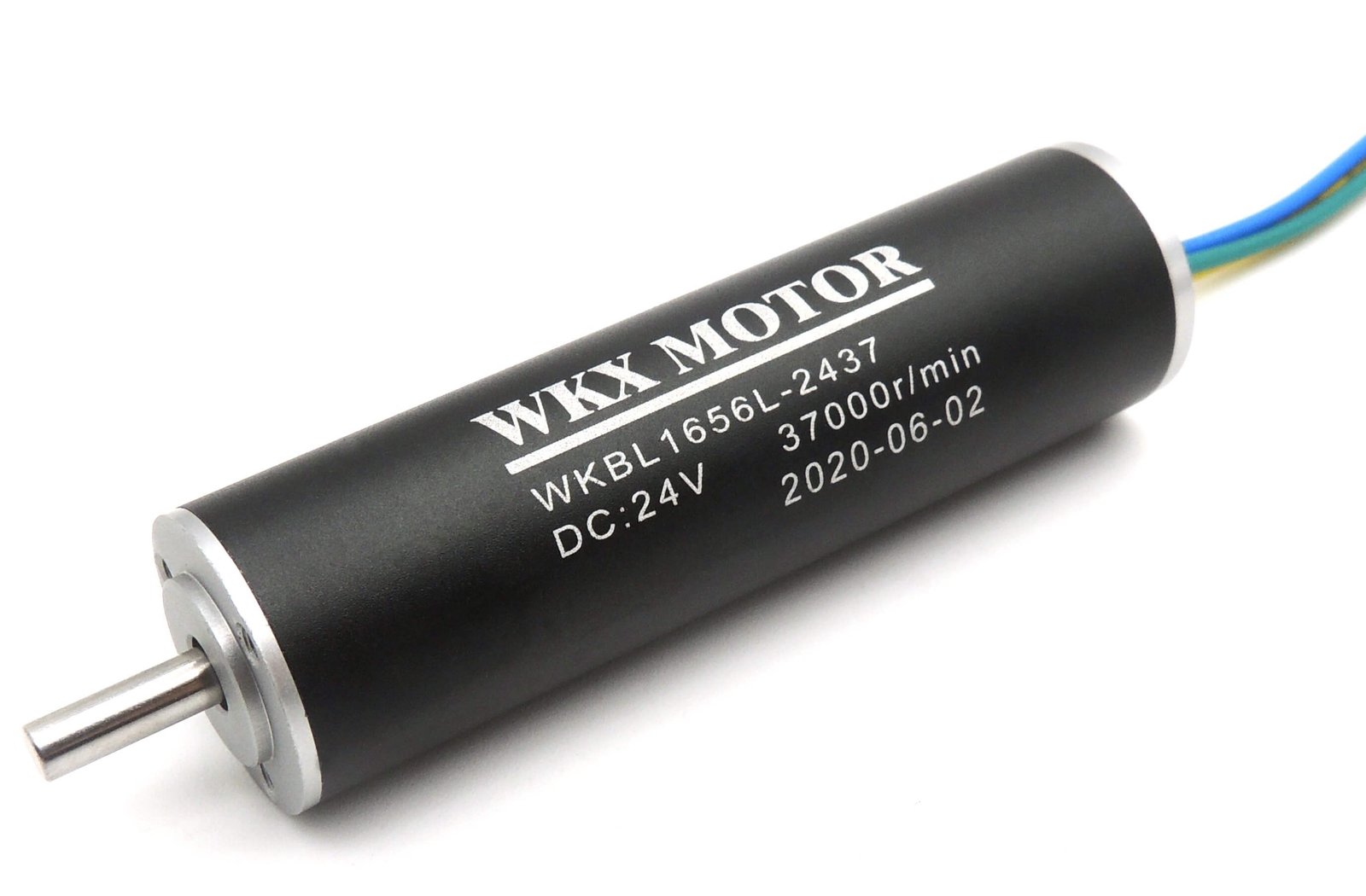
Coreless Brushless DC Motor
Series WKBL1656S-2437
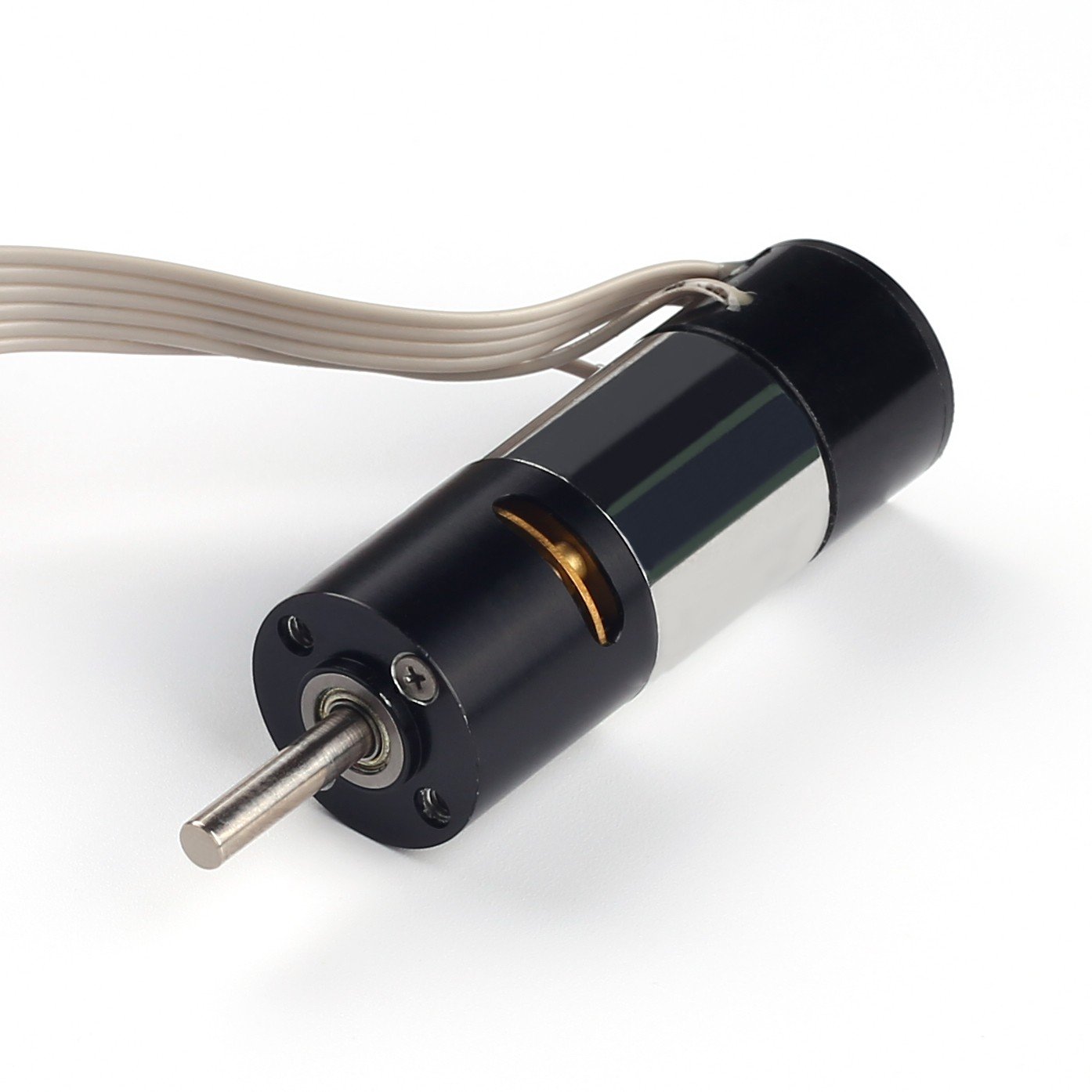
Gearbox
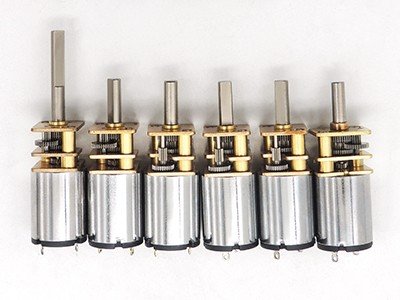
Series Zero Backlash Mute Spur Gear Reducer Motor 1625

Shenzhen WKX Motor Co., Ltd. is a leading domestic manufacturer specializing in the R&D, production, and sales of micro motors, including coreless brushed motors, coreless brushless motors, and supporting gear reducers.