Phone: +86 18715387320
Email: Kayla@wkxmotor.eu

A New Era of Innovation in the Operating Room with Robotics Technology
2025-10-24 18:16:42
82
A New Era of Innovation in the Operating Room with Robotics Technology
With the advancement of modern industry, robots in the medical science field can now replace certain human tasks. The advantages of machine substitution are evident: simple operation, user-friendly design, high efficiency, precision, tirelessness, and optimized ergonomic design. In the eyes of industry experts, the use of medical robotics technology represents a significant advancement in patient treatment. Currently, surgical robots are being utilized in various medical fields, including otolaryngology, cardiothoracic surgery, neurology, orthopedics, and more. In addition to well-known domestic and international manufacturers, numerous emerging companies are eagerly entering this market.
WKXMOTOR’s applications in robotics extend beyond medical technology. They include various drive systems, blood pumps, surgical knives, and applications in ophthalmology, plastic surgery, orthopedic visualization, and image processing.
Constant Air Concentration in the Operating Room The surgical team prepares the patient. The first incision is made by a robot, not a doctor. The surgeon sits at a console, controlling the robot’s arms with levers to perform the operation on the surgical table. Even after 24 hours of operation, the robot can perform precise cutting tasks. The camera, critical for microsurgery, remains unaffected by vibrations, providing optimal images. With a 3D monitor, the doctor can clearly assess the patient’s abdominal condition. Compared to traditional 2D images with significant limitations, the 3D monitor allows the surgeon to grasp every detail. Additionally, compared to conventional surgery, sophisticated high-tech robots offer greater maneuverability during cutting, repairing, and suturing. Computers can precisely measure the patient’s body before surgery, creating a 3D image of the surgical site. The robot can execute computer-guided cuts set by the surgeon with precision down to one-tenth of a millimeter. Computer assistance allows the robot to monitor the surgical site in real time, ensuring accuracy. When issues are detected, the system alerts the doctor to avoid potential medical errors.
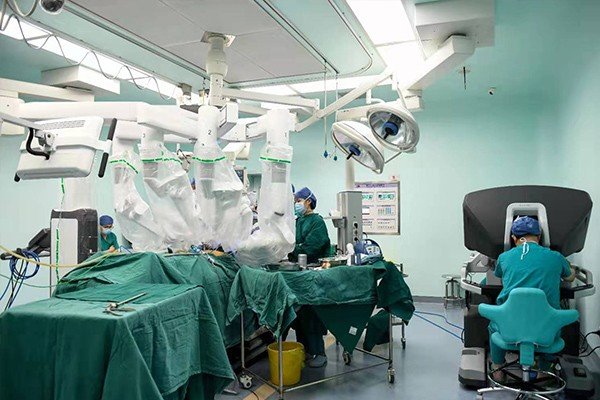
Systems of Varying Sizes Most medical procedures can now utilize robotic-assisted technology. Today, over 70 companies offer robotic products for a wide range of surgeries, including ophthalmology, cardiac, urologic, gynecologic, motility lab, otolaryngology, neurosurgery, abdominal surgery, orthopedics, hip, knee, and spinal surgeries. This technology is also applicable to hair transplantation. Depending on the purpose of the surgery, robotic equipment used in operating rooms typically varies in design. These range from large multi-arm systems for performing complex surgeries to systems as small as a soda can for positioning surgical instruments.
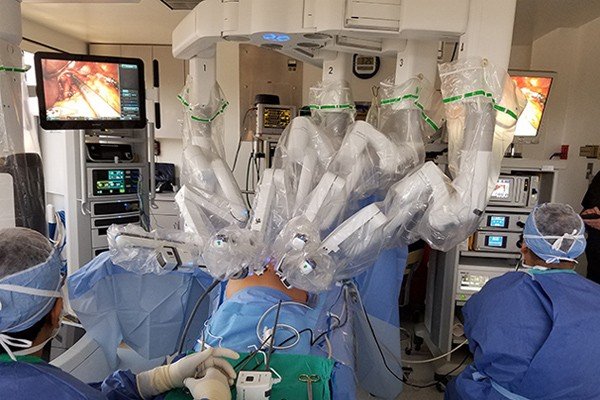
The Power Source of Medical Technology
Patients are unaware of what is happening in the operating room due to anesthesia. The anesthesiologist closely monitors the patient’s vital functions during surgery. WKXMotor products assist in providing reliable artificial ventilation. The 24mm diameter DC brushless high-speed micro-motor serves as the turbine unit in the built-in ventilator of anesthesia systems. This motor operates quickly and quietly across its entire speed range while delivering high torque. These characteristics are essential for ensuring natural ventilation. Whether for adults, children, or newborns, sufficient natural ventilation can be provided throughout the anesthesia process. Additionally, turbine ventilation allows patients to breathe freely (spontaneously) at any time.
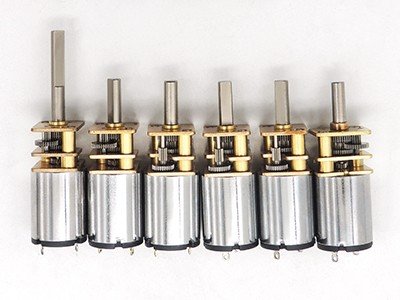
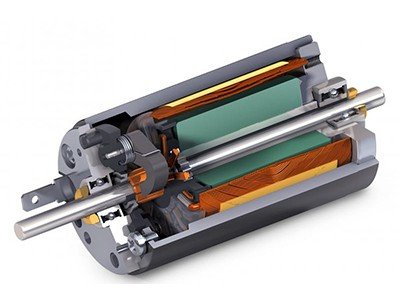
With the application of robotic-assisted surgery, the demand for drive systems, such as those for robot positioning, has increased. High-dynamic systems that can deliver maximum speed in the shortest time are particularly valued. With coreless winding technology and smooth speed-torque curves, WKXMotor drive systems possess all the necessary attributes, such as precise positioning and controlled speed. The WKXMotor series of high-performance motors can be combined with various types of gearboxes, optical, magnetic, or absolute encoders, speed limiters, and motion controllers, making them particularly suitable for high-level robotic applications in medical and other fields.
Routine Operations Robotic-assisted surgery is not just a vision for the future but is already a reality in many operating rooms today. We have achieved telemedicine surgeries. In France, a French doctor can sit in front of a monitor to perform surgery on a patient in the United States—though, in practice, robots still serve as assistants to on-site personnel. Years of accumulated medical experience cannot be fully translated into programming language. However, the use of robots enhances operational safety. WKXMOTOR plays a critical role in this process, both inside and outside the patient’s body.


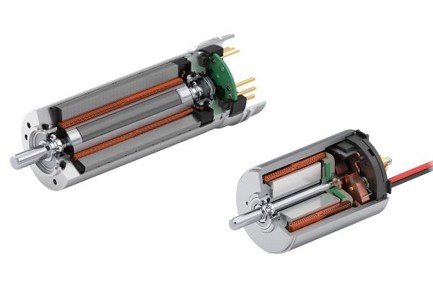
Hot Product
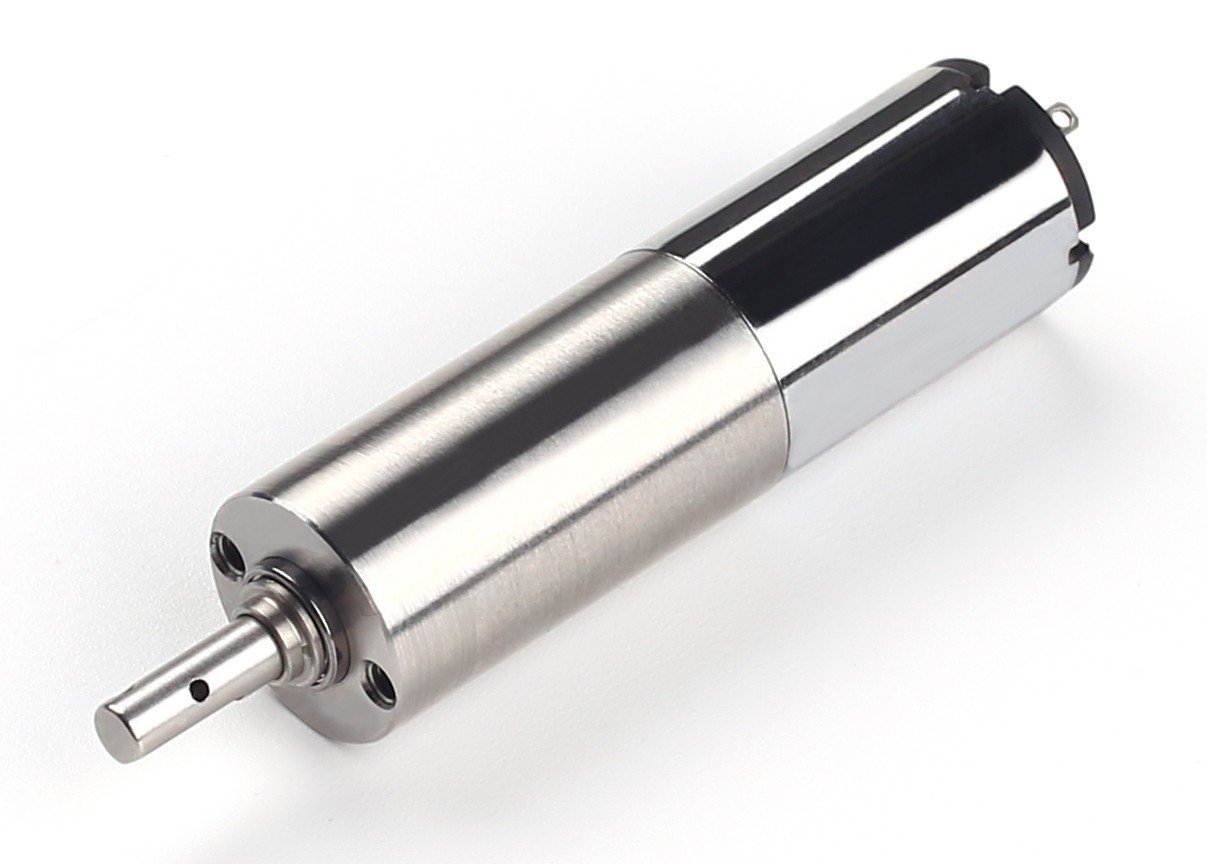
Coreless DC Motors
Series WKRE1220S-0582G256
Encoder
Series E13A

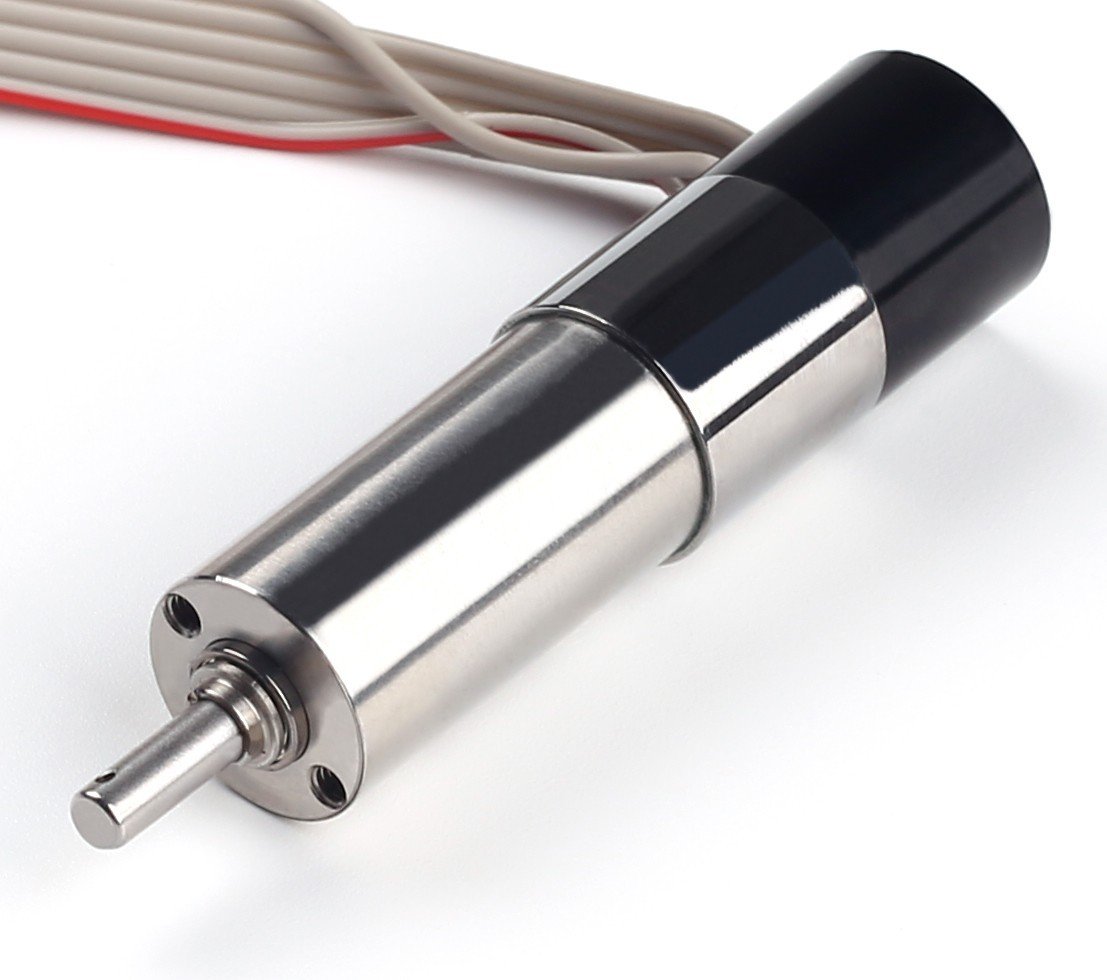
Coreless Brushless DC Motor
Series WKBL1656S-2437
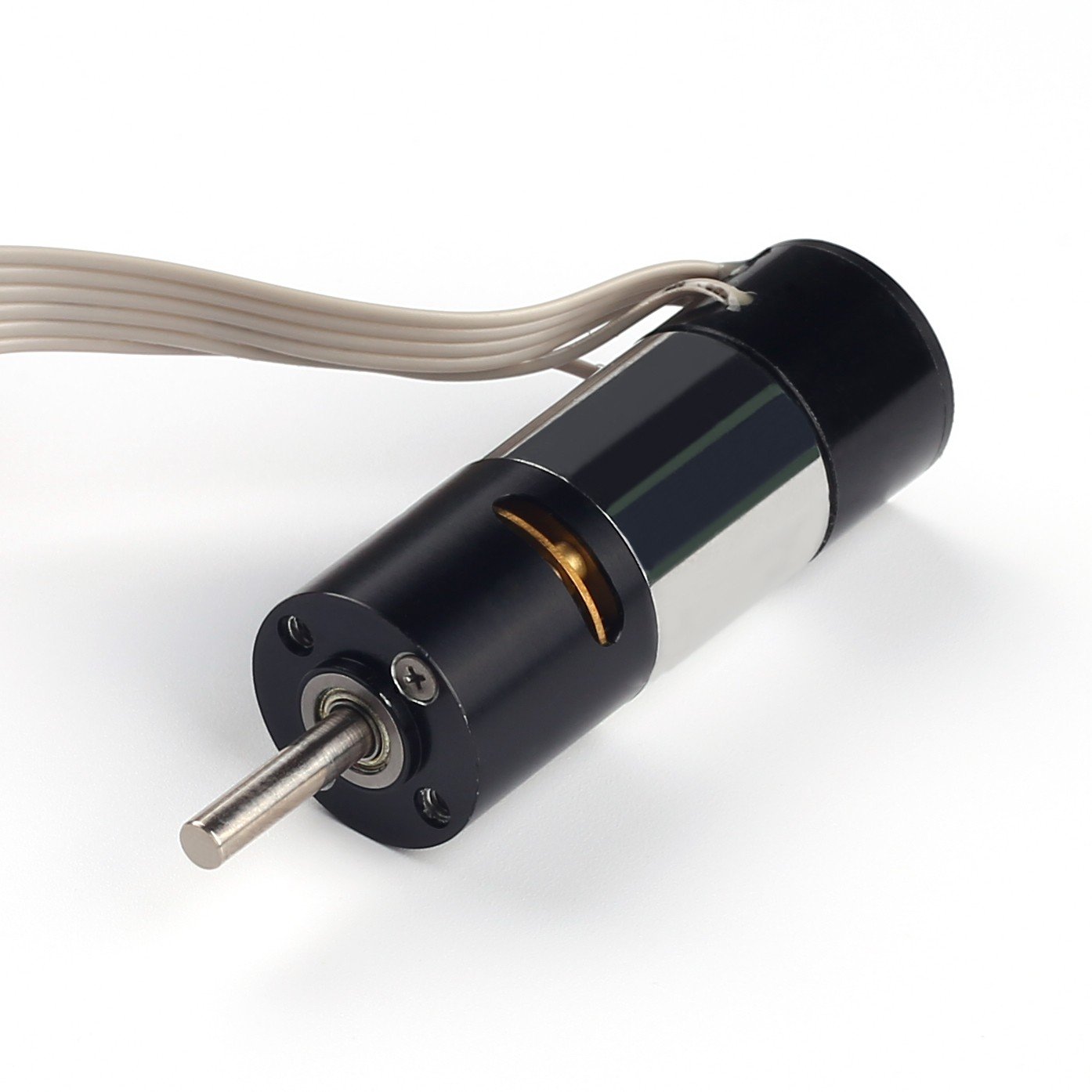
Gearbox
Series Zero Backlash Mute Spur Gear Reducer Motor 1625

Shenzhen WKX Motor Co., Ltd. is a leading domestic manufacturer specializing in the R&D, production, and sales of micro motors, including coreless brushed motors, coreless brushless motors, and supporting gear reducers.